About TSC KSM 22 FL BALL TRANSFER UNIT
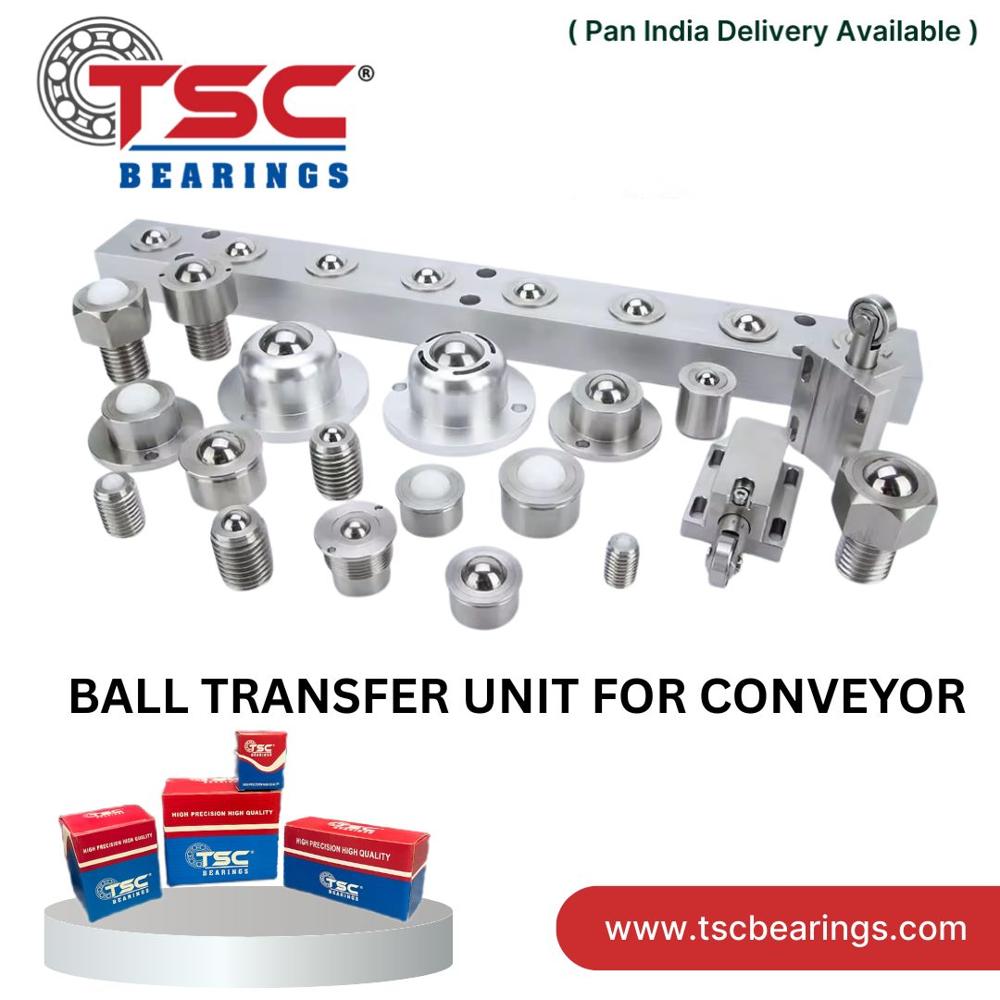
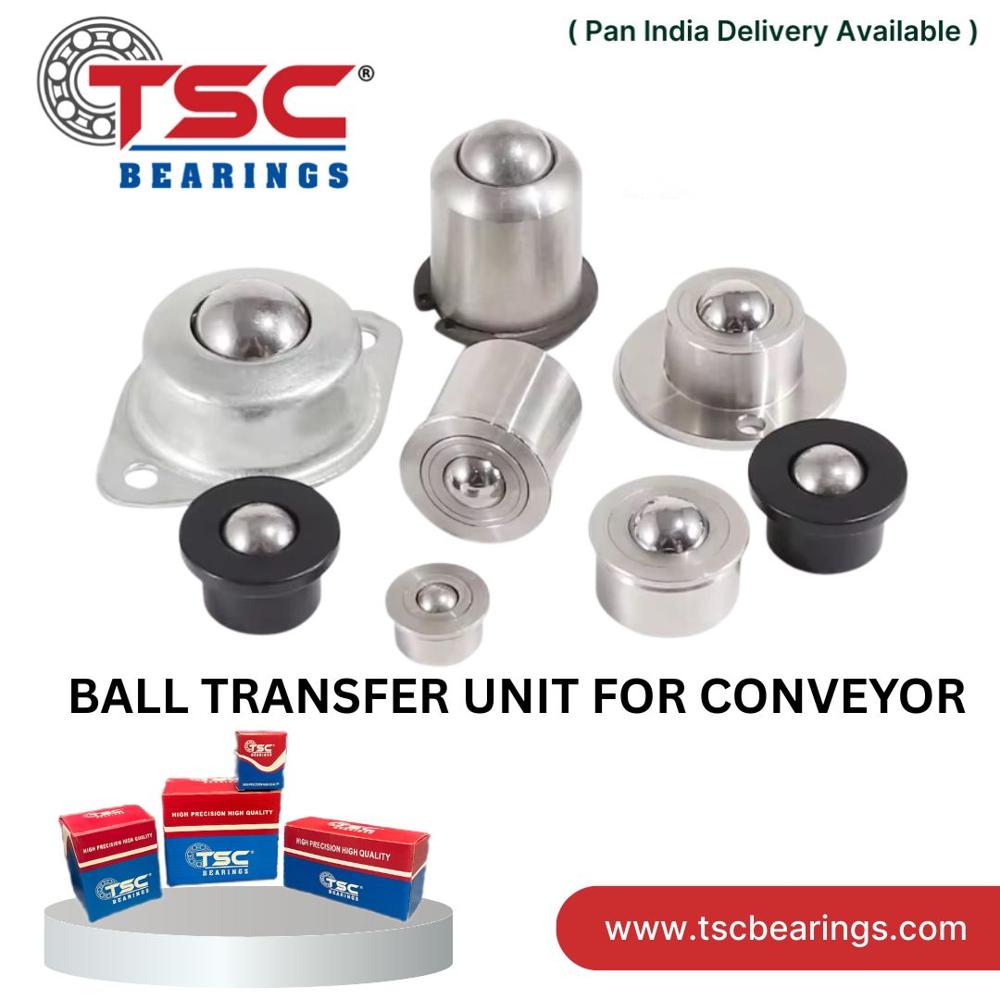
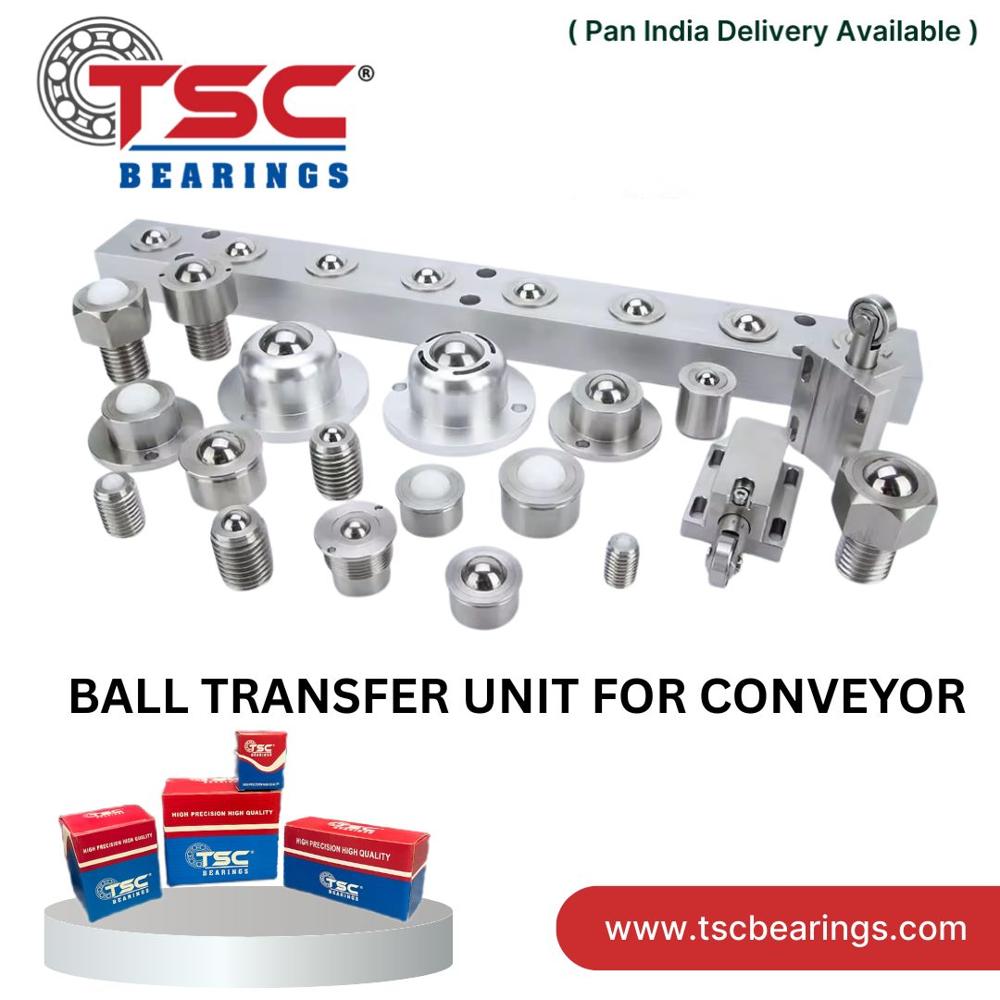
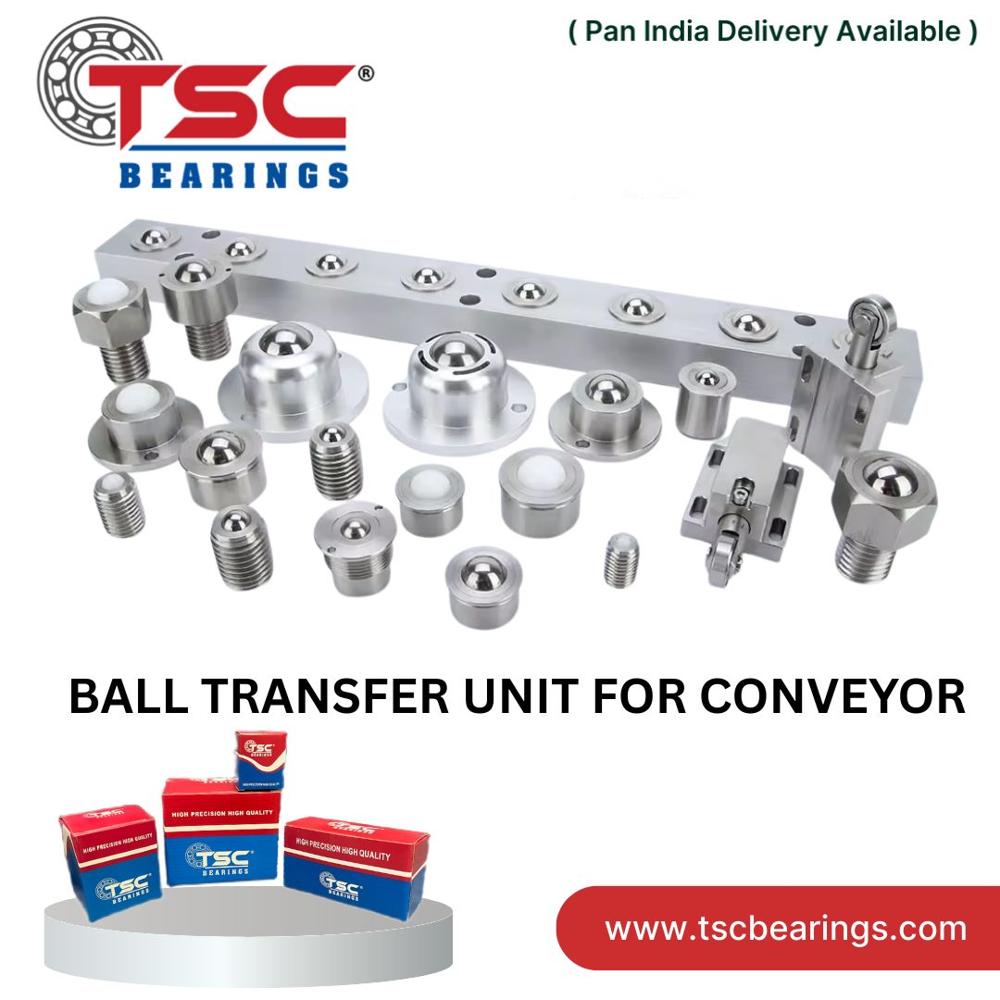
A Ball Transfer Unit (BTU) is a mechanical device allowing omnidirectional movement of loads via a spherical ball.
Key Features
- Spherical Ball: Main rolling element for multidirectional movement.
- Housing: Contains and supports the ball.
- Load Capacity: Varies by design, size.
- Omnidirectional: Facilitates movement in any horizontal direction.
- Low Friction: Enables easy load shifting.
Components
- Top Ball: Exposed spherical ball for contact with load.
- Support Balls: Smaller balls supporting the top ball.
- Housing/Body: Structural containment.
- Mounting: Often flange or base mounted. Applications
- Conveyor Systems: For diverting, sorting loads.
- Material Handling: Omnidirectional load movement.
- Transfer Tables: Facilitating load positioning.
- Packaging Machinery: Item handling.
- Work Positioning: In manufacturing, assembly.
Advantages
- Omnidirectional Movement: Flexibility in load handling.
- Smooth Transfer: Low friction aids movement.
- Space Efficiency: Compact designs available. Types
- Heavy-Duty BTUs: For industrial loads.
- Light-Duty: For lighter applications.
- Corrosion-Resistant: For harsh environments.
Considerations
- Load Rating: Match to application loads.
- Ball Material: Steel, stainless for durability.
- Environmental Factors: Protection from debris.
- Maintenance: Periodic checks for wear, lubrication.
Industries
- Logistics: Sorting, transfer systems.
- Manufacturing: Workpiece handling.
- Automotive: Component handling.
- Aerospace: Parts positioning.
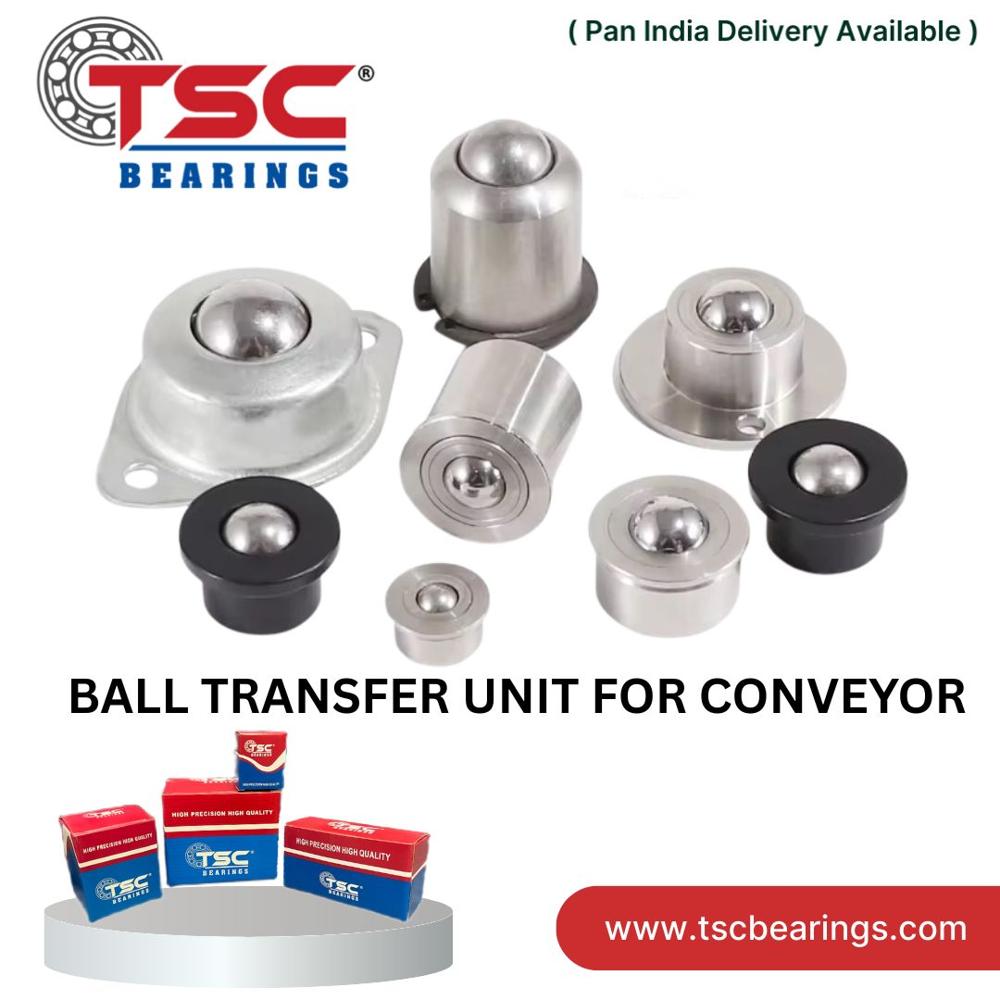
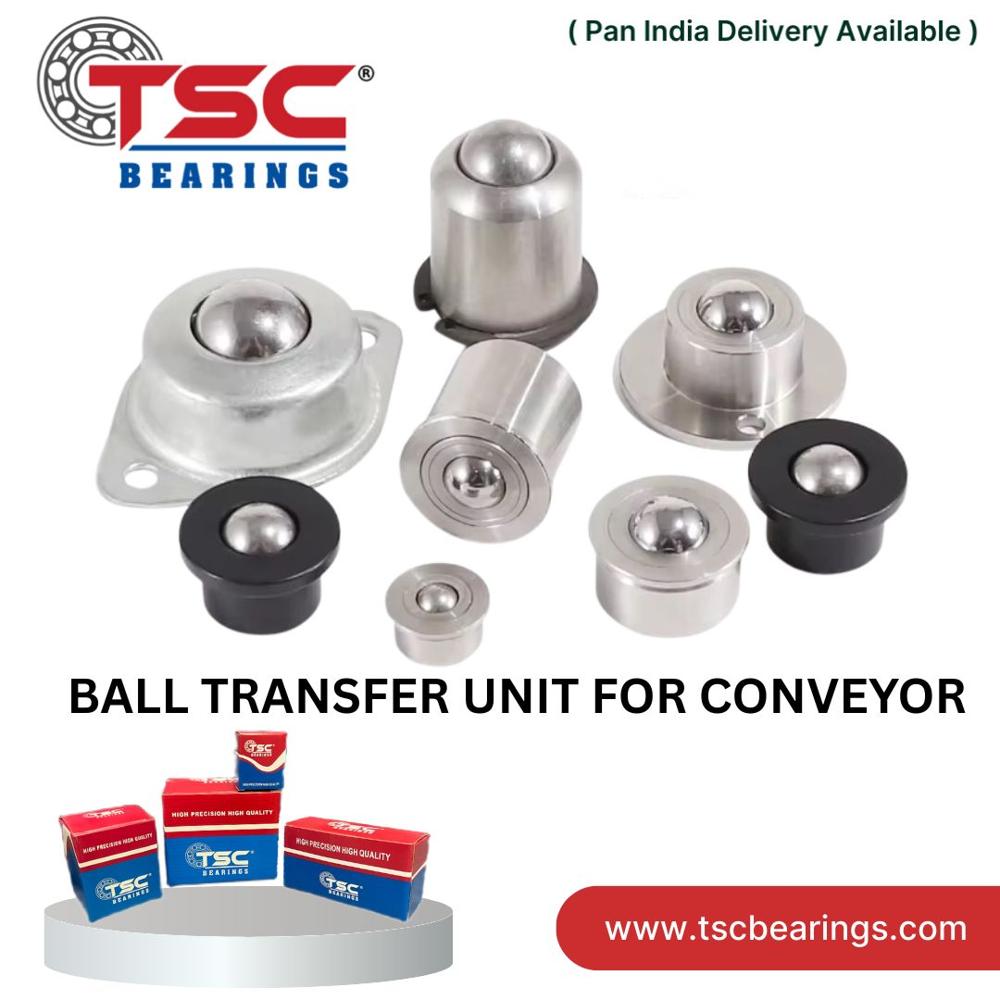
Durable Stainless Steel ConstructionCrafted from corrosion-resistant stainless steel, the TSC KSM 22 FL Ball Transfer Unit offers long-lasting durability, even in demanding industrial settings. The sleek silver finish not only enhances its appearance but also adds an extra layer of protection for continuous, smooth operation.
Versatile Applications Across IndustriesThis unit is suitable for conveyor systems, material handling lines, and workstations in various sectors. Its standard sizing ensures compatibility with different machinery, making it a versatile addition for manufacturers, retailers, and distributors seeking to optimize workflow.
Available Across IndiaAs a manufacturer, distributor, supplier, and more, we ensure wide availability of the TSC KSM 22 FL Ball Transfer Unit across India. Our extensive network enables quick delivery and support, helping you integrate this solution seamlessly into your industrial processes.
FAQs of TSC KSM 22 FL BALL TRANSFER UNIT:
Q: How is the TSC KSM 22 FL Ball Transfer Unit installed in industrial settings?
A: The unit is typically mounted by securing it to conveyor tables or platforms using the pre-drilled holes in its flange. Installation is straightforward and can be completed by standard industrial technicians.
Q: What are the main benefits of using a stainless steel ball transfer unit?
A: Stainless steel offers excellent resistance to rust, wear, and impacts, making the unit suitable for heavy-duty industrial environments. It ensures smooth movement and reduces manual handling risks.
Q: When should I replace or service the ball transfer unit?
A: With regular use, it is advisable to inspect the unit periodically for signs of wear or debris buildup. Replacement is generally needed only after extensive use or if there is a noticeable decline in movement, as it comes with a 1-year warranty.
Q: Where can I purchase the TSC KSM 22 FL Ball Transfer Unit in India?
A: You can acquire this product through our authorized dealers, distributors, retailers, and wholesalers located across India. Direct purchase from the manufacturer or official suppliers is also available.
Q: What is the process for obtaining warranty support for this product?
A: For warranty claims within the 1-year coverage, contact your point of purchase with proof of purchase. Our support team will guide you through troubleshooting, repair, or replacement as needed.
Q: How can the TSC KSM 22 FL Ball Transfer Unit optimize my industrial handling processes?
A: By allowing for effortless multidirectional movement of loads on conveyors or assembly lines, it enhances workflow efficiency, minimizes labor, and reduces the time spent on material transfer.

 Send Inquiry



 Send Inquiry

 Send Inquiry